
How we work
One rule runs through every engagement: we work with you, and you post your draft or your suggestion for community review. Neither of us edits an article directly, ever. It is the reason our work is welcome on Wikipedia, and the reason it lasts.
Sources decide
Content enters an article only with independent, reliable sourcing behind it, and it leaves only when its citation fails. Press releases, company bios, court dockets, and interviews the subject arranged can all verify a fact, but none of them can establish that a subject deserves an article. For that, it takes journalism.
The same rule protects you. Well-sourced criticism stays in the article, and a request to remove it would cost you credibility with every reviewer. What we do instead is add the sourced context and the aftermath, and argue for proportion where the coverage supports it.
We never edit on your behalf
WikiBlueprint does not touch Wikipedia during an engagement: no article edits, no Talk page posts, no replies to editors, no requests in our name. We do the research, the strategy, and the drafting with you until you are comfortable. Then you submit the draft for review, or post the suggested change on the article's Talk page, under your own disclosed account, and volunteer editors decide what goes in. We are on a video call when you click submit, and we stay beside you through the end of review.
This is what Wikipedia's conflict-of-interest guideline asks for. It also leaves a public record your organization controls and can stand behind, in your own name, with nothing hidden.
What we control, and what we do not
Ours
The quality of the draft, the strength of the sourcing, the completeness of the disclosure, and the conduct in every exchange with editors: these are what decide whether a proposal is accepted, and we take responsibility for all of them.
Wikipedia's
When the review happens, and how it comes out. Volunteers work on their own schedule and weigh coverage differently from one another, and pushing them to move faster works against you; patience and policy are what move a request. That is why the fee pays for the work and the process.

Photo by Avery Jensen, CC BY-SA 4.0.
Bright lines
A short set of rules we hold without exception, so you know what you are getting and can rely on it.
- We do not edit Wikipedia on a client's behalf. We work with you; you submit drafts and suggestions for the community to review, and nobody edits the article directly. Undisclosed paid editing leads to deletion, to account blocks that follow the company, and in exposed cases to press coverage that becomes its own crisis.
- We do not write promotional copy. Marketing language is the fastest way to get a draft turned away, and reviewers compare every proposed sentence against its source.
- We do not remove properly sourced criticism. Wikipedia is not a reputation-management service, and treating it as one breaks a client's standing with every reviewer.
- We do not promise outcomes or timelines the community does not control. Review timing and outcome belong to the volunteer community, and they are out of our hands. Editors review on their own schedule and weigh sources differently from one another, and a consultant who guarantees a result is selling something the rules do not allow.
- We do not use AI to write Wikipedia content for publication. Every edit has a human author who stands behind it.
- We do not take on work the sources cannot support. If the coverage is not there yet, we tell you so in writing, along with what would change it, and we do not bill you for a draft that would be turned away.
We work inside Wikipedia's rules because articles built any other way do not last. We do not edit without disclosure. We do not write promotional copy. We do not promise outcomes the community would not endorse.
The difference a consultant makes
Plenty of services offer to create a Wikipedia page for a few hundred dollars, and many come to us after trying one. The trouble comes later: an article built outside the guidelines gets deleted, and the record makes the next attempt harder. What helps is time inside Wikipedia's community and the habit of working within its rules. We are a principal-led team of veteran editors and administrators, an academic librarian who leads research, and two engineers who build the monitoring, with accomplished Wikipedians on call when a scope needs more. The people described are the ones on the account.
Two essays say more:
- You Need a Wikipedia Consultant, Not a Wikipedia Page Creator
- Why Wikipedia Consultants Can't Guarantee Results
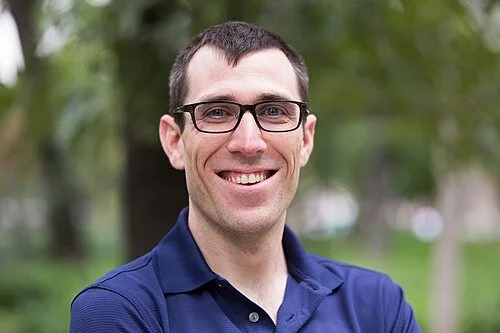
We have accomplished projects that would have been impossible to complete without him. Jake has a way of bringing out the best in people, pulling people from varying backgrounds and perspectives and getting them to work together effectively.
James Heilman, Wiki Project Med Foundation
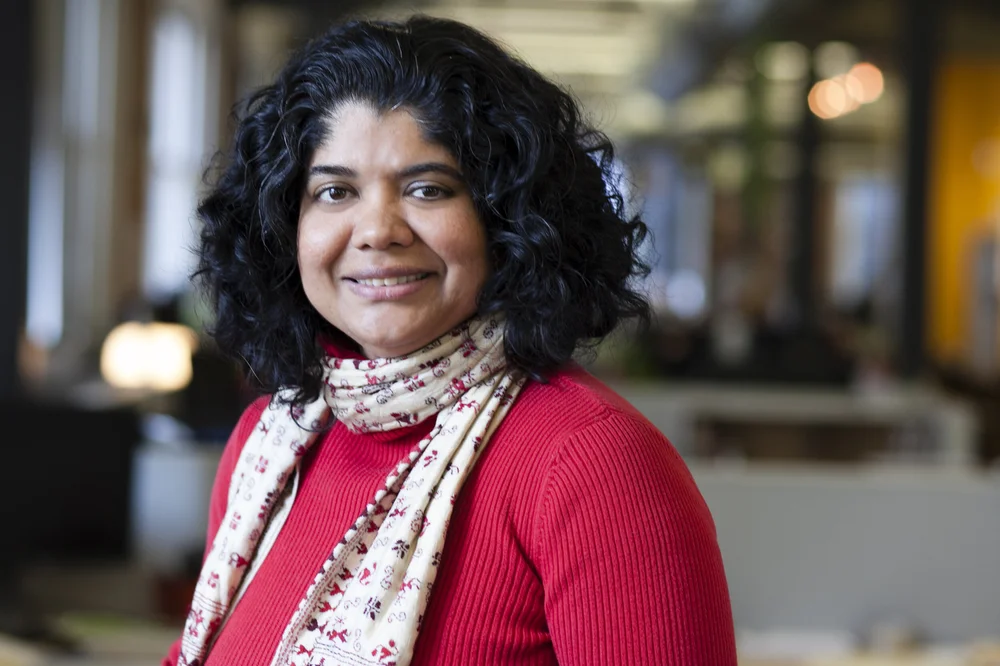
Jake is an exceptional open knowledge advocate, practitioner, and strategist. He doesn't just walk the talk, he inspires and supports entire communities as he does so. Jake is keenly able to put both technical and non-technical folks at ease.
Anasuya Sengupta, Whose Knowledge?

If this is how you would want to be treated, we should talk.
Send the name of the company, person, or institution and we reply with a short set of questions.